Episode Transcript
[00:00:00] Speaker A: Is the ecosystem expecting techno functional to go do three people's roles? You know, a techno functional or a workday admin to do three people's roles.
[00:00:08] Speaker B: Wrote that article about, you know, don't call them unicorns. And there was a discussion about, well, what do you mean? You know, not everybody can, can work multiple jobs and do those sort of things. So I know there's that concern that that's what we're asking people to do. And you know, again, sort of my take on it is really not about that. I think it's more about knowledge and not necessarily the, the job.
[00:00:33] Speaker A: There's this idea in the market of a unicorn, someone who can do everything functional, technical, all of it. And now you're seeing it show up everywhere in job descriptions and expectations, basically asking one person to be everything.
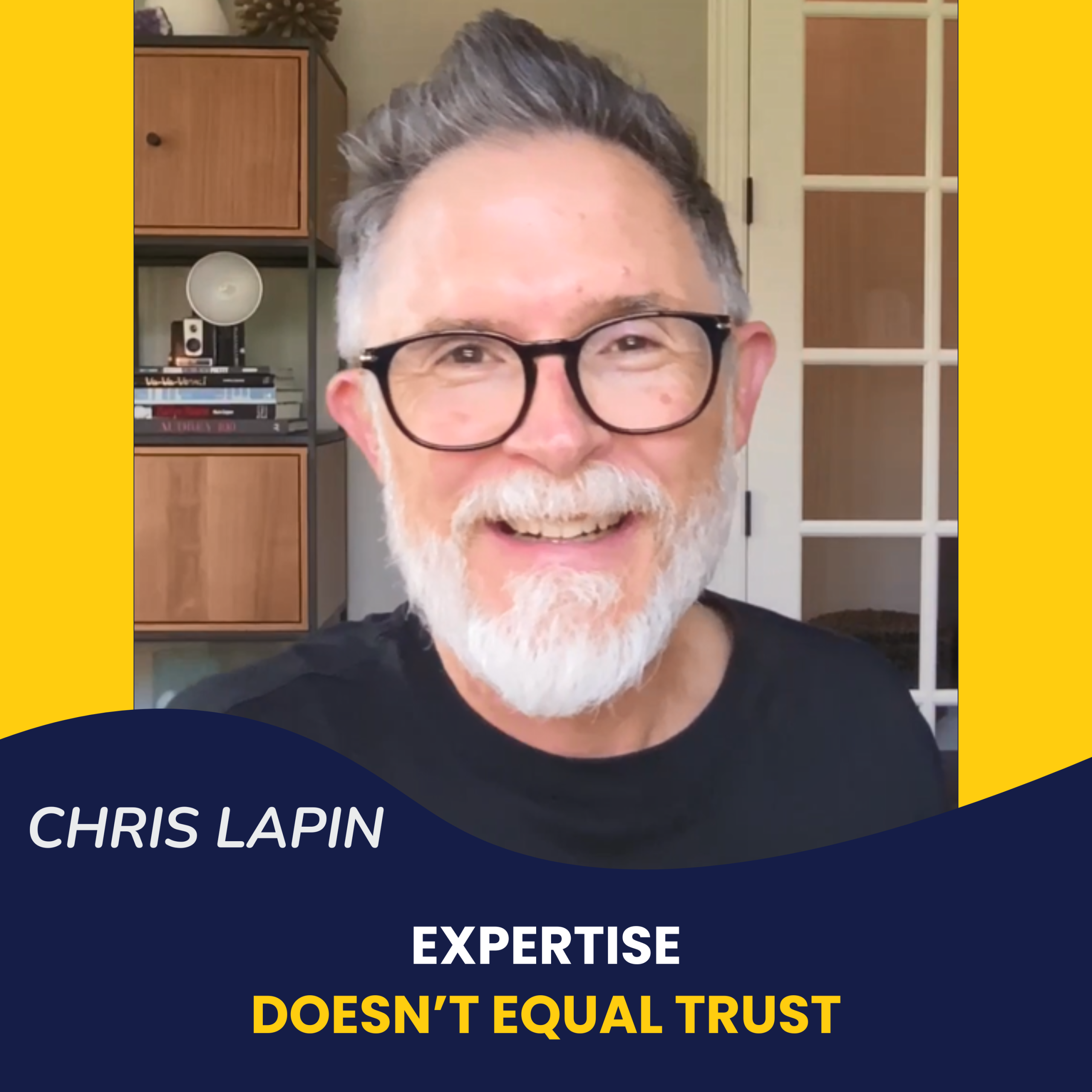
And at the same time you're starting to hear more of techno functional. So what does that really mean and why are we seeing more of it now? So Shannon Whitley has a different take. Not doing more, but understanding more. And with 30 years in it, over a decade in workday and experience on both the customer and the consulting side, he's seen how this plays out in real teams.
This is what we get into.
We're so excited to have Shannon Whitley with us today.
Shannon, you have been in the ecosystem, I think you were saying, 14 years now.
[00:01:26] Speaker B: Yeah, about 14 years.
[00:01:27] Speaker A: And then before that, PeopleSoft.
[00:01:29] Speaker B: Yeah, overall it's been about 30 years in the IT area. So started with as a COBOL developer way back when.
[00:01:37] Speaker A: Shannon has for years has been sharing content, community and LinkedIn and just all over the place. And back when we, I think it was about 2019 when we started the workday knowledge experts that were voted on by the ecosystem with the, with the workday compensation market guide, Shannon was consistently chosen. He is always sharing amazing content and ideas and different perspectives. So when we started WD Beacon, Shannon was one person I thought of that we reached out to and was like, will, you know, will you contribute some content? So I'm thinking that we're going to get some, some deep technical something that's going to come out and lo and behold, I get this article back that just made me just kind of stop.
The article was stop calling them unicorns and start developing techno functional people.
And I sat there for a second because I've actually never not said that there weren't technofunctional people, but I've never even back in the PeopleSoft Oracle SAP days when you would see that it kind of would come across as you know, know I can do everything and you really haven't seen that as much in the workday ecosystem. So I was honest with Shannon and said, you know, this goes against kind of my thoughts. So I want to start out with that. Shannon, what made you. And obviously you've written about this a while, but what made you take that angle?
[00:03:01] Speaker B: You know, I remember the discussion that we had kind of behind the scenes about that. And I think that's why I like topics like this because they're really thought process provoking. Right. I have always worked with that approach like where, you know, I've been both a technical person, but I also had to understand the business really well and being in it. A lot of what I did on the business side was being sort of serving as a business analyst. And so I really had to, to know the functional side and especially with tools like people I would sit with.
A lot of times I would sit with my payroll manager and I would help her get into the system to start learning how to process payroll. But, but she was sort of making progress in that area. But, but I really had to know at the end of the day, the system had to function based on my knowledge of how everything worked. And if we couldn't get payroll out, it was going to be on me. So I really had to learn that, that payroll part of IT and everybody that I worked with in the IT world we had this role was enterprise application engineer. And you know, it's called many different things. Those people in that role were, they really knew the business well and they were also very technical. So that's how I approach it. It's more coming from the skills side. And I think that's where sometimes think the definitions get. There's a little bit of overlap because there is the part of when we talk about these roles as it's role based and that's when you can do multiple roles. Right. And you're, you're thinking, well that might be too much for one person. Right. If you're trying to say, suggest that they can do three roles at a time, that's kind of the way our, you know, companies are going these days, unfortunately. But that's, say that's, that's maybe an aspect of what, what I, when I talk about that, but it's really what I'm talking about is more of having the skills where you can work on multiple things in terms of working on the business, but also understanding both the business and the technology. And that's, that's really where I'm coming From.
[00:05:15] Speaker A: Okay, I'm glad that we have that clarification and I just want to make sure. So it's really understanding the business and the business processes, but being able from a technical perspective then to address that in the, in the right manner. And I, you know, I think you've even said.
Because some people are going to think about it and going, oh, well, I'm going to be doing configuring and I'm going to write integrations. And yes, can you do some of that? Can there be overlap? Absolutely. But it's more understanding the business and the processes and then taking your technical aptitude and applying it to it.
[00:05:49] Speaker B: I think that's a good way to summarize it. And I think also it was a response to what I had been seeing. And maybe this is just my bias on the technical side.
I've been seeing a lot of technical people not engaging enough in the business.
They were kind of taking this approach like, oh, I, I just do the coding. I just write my, my studio code. I, I just write the xslt. And I really think that the, the business suffers when you don't have that type of understanding of what's going on on the business side from the technical person. So, so I really want to encourage my technology peers to, to get in and, and dig in more. You can get lost in technology today, you know, with all the things that are going on there, there's just so much and it can be overwhelming. But in order to really deliver a good solution, I think you really have to go above just working with the technology and really also invest in understanding the functional nature of the business.
[00:06:55] Speaker A: So how would they do that, Shannon? I mean, how would someone do that now that they're saying, all right, I am technical, I'm not even in the HR organization, even though some are, I'm sitting over here in it. What can I do to be this techno functional?
[00:07:11] Speaker C: And what does the, how does the manager. How do leadership provide some of that too? You being in that senior level role yourself in the past as director, what can you can a leader do to make sure that happens more and brings those people in the mix?
[00:07:24] Speaker B: That's a fantastic question.
I'll hit on that leadership role first. One of the things in the global role that I've been in, I have always been careful and I call it pigeonholing, try to avoid that as much as possible.
You can be purely functional and get pigeonholed, for instance in benefits or payroll or what have you.
I really wanted to make sure that people felt like they were growing.
And so that's always, I think, the motivation that I have to make sure that people continue to have that growth mindset. Being able to do that just on a purely functional side, being able to move around, learn new things, that definitely is something that I look for as a leader. And then in terms of just the technology side, when I was in the individual contributor roles, it was really about staying curious and taking every opportunity when I was working with my business partner to, you know, ask questions and really try to understand what they're asking you to do.
And so many times, and, and I don't mean to be, you know, overly critical, but I, I think this just happens, right? Sometimes we get very focused. But I think what's important is you have to understand the why of what you're doing.
And so whenever you're working in that technology role, asking those questions, why are we doing this? Not in a confrontational way, but just a helpful, you know, help me understand so I can do a better job at what I'm implementing. That's what I would really encourage is having those conversations from the technical standpoint, asking the business user, how does this work on your side? How do you see it happening?
And I think that mutual understanding really, I mean, first of all, it's a great way to encourage just teamwork, but it also helps with that growth mindset of being able to continually learn more in your role.
[00:09:24] Speaker A: The why is so important in everything. But even if you're just like you looking at a process in a company and going, why? I learned years ago in consulting, you're just shocked how many times it's. We've always done it this way or so and so wanted this way. And yes, everyone is super busy and juggling a lot and all these kinds of things, but to just stop and do that and, and go, well, maybe there is a better way. And I think this is kind of what you're talking about. Do you. You just build the integration or do you architect it? You know, you've used those words. Instead of go beyond just building, go to architecting.
[00:10:02] Speaker B: And the flip side of that, because I learned a really important lesson that I think you kind of touched on just then about asking why? And I do want to hit on that, because I think it's also important to always remain humble when you're asking that question, because there's so much history that happens in a company. There are so many things that happen that, you know, at that point in time, when whatever solution was developed, it made sense or that was the best way to approach something. So when I'm asking why, you know, why are we doing something? Why, why did we set this process up this way?
I think it's also coming from a place of respect to say I understand that at the certain time, you know, that's why we did it. But now I want to understand are there better ways to do it? Because things change.
You know, I, I had an experience in my, very early on in my career when maybe I didn't approach it with being humble in that approach. And so I think. And somebody stopped me and they said, hey, you know, somebody really has spent a lot of time working on this. Think about that. And I think I've always kept that with me and tried to remember that because I think it's so important because it is very easy to come in and start criticizing and not really respecting kind of what's come out of the historical value.
[00:11:28] Speaker A: That's definitely true. So, you know, Nikki, I know that we've talked about this. Obviously we have workday jobs now on WD Beacon. And in going out there, I really am shocked by the requirements, not that you're seeing it as much in titles. Is the ecosystem expecting techno functional to go do three people's roles? You know, a techno functional or a workday admin to do three people's roles, in my experience.
[00:11:52] Speaker B: And I know, for instance, wrote that article about, you know, don't call them unicorns. And there was a discussion about, well, what do you mean? You know, not everybody can, can work multiple jobs and, and do those sort of things. So I know there's that concern that that's what we're asking people to do.
And you know, again, sort of my take on it is, is, is really not about that. I, I think it's more about knowledge and, and not necessarily the, the job.
But having said that and, and actually having been in, you know, the hiring manager role, where I'm looking for people out there and trying to find the best I can get. And I've always been luck, incredible people. I think there are a couple things going on. Number one is I think we pack those job postings up with a lot of extra. They're maybe not requirements, but we pack them full because we really are trying to find the best person out there who maybe has 75, 90, you know, 80, 90% of what we're putting in there. I do say, and I want to be careful about this because I don't want to encourage folks to, to, to apply for things that they're not qualified for. But I do want to encourage people that if they see something that they're close on.
Many times as hiring managers, we do put additional requirements, additional skills, other things, because we really are looking for, you know, top level talent. You know, if you find the right person who's, who's, you know, aligning more closely with it. It's not necessarily a deal breaker if you don't have every single skill that's listed. So I think that's important to, to note that maybe in. Although you're probably right, we're probably inflating some of these job postings because we're, we're really wanting to at least start from a point of top talent.
But I think also there's this macro thing that's happening which is really across all companies. I mean, there's this incredible pressure from the shareholders. Oftentimes we'll start with the CEO and right. We'll say the CEO has, has these expectations, but really stems from, from the shareholders. Right. The CEO is, you know, reacting to the shareholder pressure. There really is so much pressure to do more with less.
And you know, I know that's always been the case, but it seems like it's even more so today. There are people who are, you know, that I'm aware of who are definitely getting burned out because they're being asked to do so much. Now if you're part of that group of shareholders, just know that, you know, you're having a real impact on people. Right. That, that pressure that you're putting on companies is trickling down and causing these, these folks to have to do multiple jobs or um, you know, and, and that's where those job postings can sometimes come because that person leaves and then you don't have those roles anymore.
[00:14:54] Speaker C: Yep.
[00:14:55] Speaker B: So it is, I think definitely something that is something we need to deal with as, as just, you know, across the board, across all companies are, are experiencing this. But I think, you know, because we're focused on, on workday and workday jobs, we're, we're seeing that, you know, coming up in, in our job postings as well.
[00:15:12] Speaker A: Yeah, I have my take on it.
And yes, there is pressure to do more with less. It's also, I think as we're starting to go downstream, you're not going to be able to replicate the team size that you have to support, you know, in larger organizations. And just because the organization's smaller doesn't mean that some of the processes are going to be simpler.
And I think that, you know, people are going Oh, I can get an admin and I will have them do all these different things, and that's not really the case. There's definitely a lot of pressure out there.
And you're right about burnout. I know, Nikki, you and I were talking about this not too long ago. Just the people, they're just, they're kind of. There's burnout physically with your job, but also everything that's going on in the world right now. Yeah.
[00:15:58] Speaker C: It's also a fear of the unknown because we have been in the ecosystem for a long time. We've seen the change. I mean, workday itself has changed, and a lot of people are concerned how, how do they pivot. Right. Because with AI and new tools, and as you mentioned, sometimes teams get leaner and leaner. A lot of folks that I have conversations with is how can I adapt to what's going on with, you know, with workday, with new tools and AI?
You, Shannon, have been in the ecosystem for about 14, 15 years. Number one, how do you stay excited and energized? And then also for those folks that all this change is happening, how can I continue my career? What can I do to stay in the ecosystem, but make sure I'm also successful with that change? There's two questions throwing at you.
[00:16:50] Speaker B: I feel like I'm of two minds on, especially in the world of AI.
I've been on had other discussions where I think early on I was very skeptical about AI and I mentioned that I'm not yet the person to talk about that. Even though I'm very steeped in technology, I was really kind of hanging back a little bit.
I may still be sort of in that realm in terms of.
I think the problem is, once you've seen a number of these hype cycles and you see things go up and then things. Things don't deliver as promised and then they go down again. It's very difficult to jump on. You know, I'll call it the bandwagon. And so I, I kind of purposefully hang back and wait to see, is this thing going to really mature? You know, is it really going to be usable as something that I can bring to the table in a solution?
And so with that respect, I think I been in a little bit of a wait and see in some areas, perhaps to my detriment. Right. These things are moving quickly and maybe if you don't, you know, learn some of these skills and stay on top, you can find yourself behind.
At the same time, I think we've seen a lot of failures in some of the early projects that are out there, and those are well documented. So it's just, you know, some, some things haven't come to fruition exactly as predicted. I always think about, you know, folks were saying there was going to be a, a new job called Prompt Engineer, and it just doesn't see, you know, doesn't ring true, especially today. What, what I do though, is I make sure that I'm always paying attention. And I think that even though maybe I haven't jumped into creative projects to necessarily work in a new space, I'm always trying to monitor how things are going, what other people are doing. I'm definitely, you know, watch things like your podcast for people who are making waves in the ecosystem. And so keeping my ear close to the ground is important to me and that allows me then when I am ready to jump in, you know, I'm at least staying familiar. And I would say I have been able to stay abreast. I've been, you know, I've been doing some programming in the AI space and a lot of it is really utilizing some of my skills that I already have. Right. If you're calling a, an API, for instance, to get a response from an AI or an LLM, let's say that way to call the API hasn't changed or at least in certain respects. Now there are other ways where these agents are talking to one another, where that is a new area with them, the MCP servers and things like that. But I think if you tend to stay abreast of things, then you can still apply the knowledge that you had previously.
Technology practitioners are able to get in and utilize technology. And that's exciting because there are people out there. Again, sort of going back to what we've been talking about with having business knowledge and technology knowledge and being able to marry those two. From some of my readings I've seen that people with humanities backgrounds, and maybe social science backgrounds like myself, do well with AI because a lot of the technology now is conversation driven.
And so as you're going through and setting up these projects, the solutions that you're delivering, it's really a lot about understanding communication, understanding language, being able to soft skills, converse with a computer. Exactly. And so that's what I'm excited about.
[00:20:47] Speaker A: I never even thought about that, but that's true.
[00:20:49] Speaker C: I know that just the soft skills, you're hearing more of the soft skills, but to be able to translate or need to translate that with AI, to understand that in depth communication, but using it as a tool within AI it is. The light bulb went off too, Carla, when Shannon was speaking.
[00:21:11] Speaker A: Well, you know, and Shannon, I want to ask you because actually, Melissa, that we had on our last podcast, one of the things that she was saying. A lot of times people say AI, but they mean automation. So it's not really AI. And you're even seeing that in some of the companies when they were saying, oh, we have AI, but they're just repackaging it from a marketing perspective. Do you feel that is what maybe we are seeing out there? Some.
[00:21:37] Speaker B: Yeah. That's interesting. I mean, I definitely know that as people tried to take advantage, you know, of that hype cycle and they wanted to be able to market themselves as an AI company to recognize it. You recognize it as well. You know, people are calling it AI, but it's, it's really, it's following rules and just automation. But I do think legitimately, even if it's just at an experimental level, I am seeing companies legitimately using AI to actually refine the processes and start to inject LLM technology into those updates. So it's a very good point that I think there have been a lot of companies that have tried to make a play based on, you know, the, the word AI. But I think that what I've seen most recently is there, there really is legitimate progress being made in infusing AI into, into processes.
[00:22:35] Speaker A: Okay. So, you know, even with just what we've talked about so far, if we're saying soft skills, you've got workday, modular skills, you've got technical skills like extend, and then you've got, you know, AI being able to utilize that and really, I call it consulting skills, but it's understanding business processes, really taking that and applying it. If someone's looking, going, I can't do all of this. I mean, what do you think are the most important things going forward?
[00:23:04] Speaker B: And I mean, I would agree, although I would make a plea to, you know, those folks out there with project management skills. Those skills are more important today than ever because good project management is where, or, you know, poor project management is where, where we really fail in, in the work that we do. So whether you're doing AI or traditional development or any type of thing in between having those project management skills, being able to stay organized, being able to communicate, that's going to apply no matter where you go or what you're doing. So I definitely would encourage people to continue to hone those skills way that I've been able to, I think, over my career, stay relevant. And I've Transitioned, you know, going from an individual contributor to a manager and now doing more individual contributor work is. I have always continued to invest in, in learning and I just, I think that's so important and I know people get overwhelmed in, in their day to day and it's, it's tough to make time for that. And I don't want to, you know, sound like I'm saying it's easy because it's definitely not easy. But I do think it's important to, to take time, make time, even if it's just a little bit of time. You know, whether it's in the evening where you can take a few minutes after work and just try to learn something new or. I've always talked about, you know, I, I've taken parts of my lunch break to read up on something new. Just you can't always unfortunately combine it into your job as you're working through your daily routine. But I just think it's so important for your long term progression that you have to find some time to be able to continue to learn. And especially now, right. Things are moving so quickly with all the things that are changing that just staying abreast of all that is really critical and really important. And that's the advice that I would say. You know, it's, it's nothing groundbreaking but, but you just, it, it does take discipline.
[00:25:12] Speaker C: I, I was just going to say that's a good segue for learning because you put out so much content, your videos and your posts and you know, it didn't know if that is because you enjoy sharing that knowledge or you're seeing maybe a lack of that so you are putting it out there or if that's just another way to up your skills or maybe all the above.
[00:25:33] Speaker B: And then also what started that, I really appreciate that. The comment.
You don't know how much that means to me. Actually hearing things like that are very motivational because that's one thing that I really strive to do is help people. I know that I've been helped throughout my career by content that other people have put out there. Thankfully, people out there do share, but there have been so many things that I've gained that definitely one of the things that I really want to do is to give back because I am grateful. I have been using it as a creative outlet, I think since my days at PeopleSoft.
I wrote for the Hard. They had the hardcover magazine back then called PS1 and I wrote articles for that.
And it was a way to stay creative. I've always enjoyed creative writing and being able to combine sort of the thing that I was doing that day, whether it be PeopleSoft or Workday, and be able to create something that I could share with other people was a nice creative outlet. So I've always enjoyed that. And then I'd say I do develop a lot of little tools that I like to use, and I find they help my efficiency. And so I'm always excited to try to share that with somebody else because, you know, if I can help myself, then I'd be very happy to share that and help somebody else if they're not having the same frustrations that I've had to go through.
That's very gratifying. So those are all reasons that I enjoy it. But it does really come back to, I think, the enjoyment that I've gotten from what other people share with me.
[00:27:08] Speaker A: Well, there's no doubt you definitely help other people. They appreciate it. You sharing your tools, it's just great to see.
[00:27:13] Speaker C: And I was going to ask for those that maybe want to share their insight or knowledge, but maybe they're a little nervous about doing that or putting themselves out there. Do you have some advice?
Maybe somebody who wants to kind of start putting their own tools or insights out?
[00:27:30] Speaker B: I would definitely encourage it. I think that it's a great way, and as I mentioned earlier is, you know, I'm really conscious of trying to grow, trying to learn, and a great way to do that is to share with other people and take that risk of possibly getting some pushback or some negative feedback. I think it's worth it. The growth that you'll experience by trying something new and the things you'll learn along the way.
All experiences that are worth any sort of, you know, difficulty in doing it. I would just really encourage people to do it. There are so many additional things, like packaging up, for instance, Google Chrome extension. You know, there are so many things to just get it into the web store, things that you would never learn if you don't try. So that's what I would say is just. Even though it, you know, there. There's definitely a risk, you'll probably definitely have some. Some days where you go, oh, why did I do that? And it's. It's worth it. The other side of that is it's really worth that feeling of. Of having that accomplishment.
[00:28:40] Speaker A: Yeah. Speaking of Chrome extensions. All right, let's get into some tech talk, because I know that we've been conceptually kind of up here and stuff. So w.
Tell us what this is. This is something you developed. Tell us about it.
[00:28:53] Speaker B: It's something that it's that I've been using for myself for a long time now. I really wanted a place to manage my bookmarks and at the core, WD Sidekick is a bookmark manager for Google Chrome.
Works on both Mac and Windows, but it runs on top of Chrome's own bookmark collection. So you know, try WD Sidekick and it's, it's not your thing. You can uninstall it and you still, you know, have all your bookmarks there. But Sidekick is workday aware.
So when you share, when you save your bookmarks, it knows the difference between prod and an infil tenant and sandbox and it knows knows how to present you with a link to the login page versus if you have a single sign on it will give you two options. There has connections to start or stop Proxy so so all those things in the bookmark you get a lot more just because it knows it's a workday link. So that's one part of it. And then I've tried to build in some other helpful features and one of them is as you're in your sandbox or impl tenant, it uses some of the space at the top in the header and it'll put a link in there to start the proxy. Trying to prevent carpal tunnel, you can click instead of, you know, typing into the search box all the time. It has a link now that I just added to go over to activate pending security changes that that awareness. I use that part all the time. And then lastly, I have an interesting story about this feature is there's a copy and paste into the search boxes or the search fields in workday. The only way that I'm aware of is really to use an EIB right to around that limitation right now. It's always a pain when you have a long list of items. You'll, you'll see that in when you're adding security groups on a user or you're, you know, doing a long list of filters in a. In a report where you have to put that in, you can't just copy and paste a full list. So WT Sidekick helps you by you click into the search box and that search field, the next item from your clipboard in there and you just keep clicking. And you do have to enter to kind of get workday to recognize it. But it speeds things up quite a bit.
And the interesting story is I was on a call today where the IT group and the security behind the IT group was, was reviewing WT Sidekick to see if it would be allowed in their environment.
And for me, you know, it's, it's an open source product, it's free, it's something I freely give away. But it was just kind of interesting.
I, I filled out their security form because they were asking questions about it. I attended their security meeting to make, to see if they had any questions. But it's, it was just kind of fun because it gave me that additional experience with, with this product that, you know, I wouldn't necessarily have because it's not something that I'm selling to anyone. It's just, you know, something that I, I put out there because I enjoy it and it's working well for me.
[00:32:16] Speaker A: I love it that you had to, you had to run the gauntlet to help them move faster with a free product you created.
[00:32:25] Speaker B: Yeah, yeah. I mean I, I was, I was thinking to myself, it's like, should I do this? Should I do this? But, but I, I, I'm glad I did because it was kind of, it was really interesting and you know, of, you know, interesting people. So I, I do look for those opportunities to network. I think that's always been something key, whether it's been either, you know, as part of business, in my regular jobs, I've done side jobs in, in the past, or I've done some work outside of the office and that those networking events have always been, you know, first of all, they're a lot of fun, but they've always paid dividends later on as well.
[00:33:03] Speaker A: Relationships are key and honestly we, I mean, even though that's free, it's a step ladder. Next one may not be free. But now you've run through the gauntlet on this and now you know what to do even the next time. That really fits your philosophy too, to just get out there and do it. And you just don't know the dividends that it'll pay to orchestrate. Is Orchestrate replacing Studio?
[00:33:28] Speaker B: We'll say this, I think it's important to note because I don't want, you know, I would never want anybody to panic. And I don't think Workday, I think Workday wants to really emphasize this as well, is that Studio's not going anywhere. They have no plans to deprecate Studio, and your investment in Studio integrations are still rock solid. Having said that, all of the really current and future investments in integrations are really being funneled toward Orchestrate.
If you want to continue to take advantage of a lot of the parallel processing, for instance, that workday has Been working on and really doing a fantastic job of making things move more quickly from an integration standpoint, being able to integrate with some of the latest APIs. Rest APIs are. Workday is building out more and more Rest APIs and over time, the Soap APIs are not going to be as critical. So taking advantage of that Orchestrate makes it very easy.
I believe Orchestrate is going to continue to grow and continue to be easier to integrate to other systems. So you'll see a lot of connections to other systems as well, outside of, you know, being able to move data between workday and other systems.
So studio's definitely not going away. You're going to always have your skills that you've developed there. But I do think it's time to really invest, you know, talking about this growth mindset, being able to continue to learn.
It really is important to learn orchestrate and build orchestrations and really invest time there. And there are going to be a lot of opportunities.
Devcon and, you know, this year's rising to continue to do that.
[00:35:12] Speaker C: Another way of how somebody can pivot or maybe they are burned out or bored. It's maybe make that shift the studio developers, maybe they jump in a little bit more with Orchestrate or dive deeper with Extend, because there's, as I mentioned, some rumbling around that. But just another way to continue to grow your skills, you know, makes sense to piggyback off of that.
[00:35:32] Speaker B: It's. And it's so.
It's so interesting to be able to see how different skills have been able to be applied to newer tools. So things that I learned years ago, a lot of what I learned about the early web certainly applies to orchestrated.
It's trying to always find the commonality between the different tools. I mean, you know, when you have an if statement, you know, that always applies in every tool I've ever used. Right. There's some way to do that, just, you know, trying to find that commonality and then it starts to click. And that's when it's exciting because you're actually continuing and building on what you've learned, you know, over time. And that's something that is just, to me anyway, you know, a very exciting thing to think about, that growth.
[00:36:25] Speaker A: All right, Nikki, is it time?
[00:36:26] Speaker C: Yeah, I think so. I think so. It's a barrel rush round Shannon. So what this means is just quick questions like, you're inside of a. Inside the wave. Got to get in.
[00:36:37] Speaker A: He's a baby guy. He's got this.
[00:36:39] Speaker C: Exactly. You're. That's right. California guy.
[00:36:42] Speaker A: You Understand the number one thing that you are most excited about in the ecosystem right now and why?
[00:36:50] Speaker B: The number one thing I'm actually most excited about the progress we're making in orchestrate. And I just think there are so many advancements that are happening in that space that I've always enjoyed integration. So that particular one workday is just really on a roll with the things that they're developing. So I'm really excited about it. I think there are a ton of other things going on that I probably could, could pick and talk about, but I really like writing orchestrations right now. That's. That's kind of my number one.
[00:37:22] Speaker A: I. I can already hear the relief from the ecosystem that it wasn't AI. But that wasn't your answer.
[00:37:28] Speaker B: Yeah, very tempting to say.
[00:37:29] Speaker A: Right?
[00:37:29] Speaker B: That's the thing.
[00:37:30] Speaker A: Okay, so. All right, next question. You have been at several workday customers and now you are at a consulting company, a partner. Biggest difference or some differences?
[00:37:41] Speaker B: Yeah, I mean, the biggest difference is, you know, I would say I really liked being able to be part of a daily team on the customer side. So that was something that was really.
That I've always enjoyed and I have carried forward. Even when, you know, after leaving several companies, I still keep in touch with my Facebook family, for instance.
You know, people have gone off to other companies and we still connect and talk all the time. So that is something that I don't have that same sort of cohesive group that I'm working with all the time because I am working with different people. As a consultant. On the flip side, I think as a consultant, it is nice to have so many different types of things to work on. It's always a different challenge, always something new. And I've been very lucky to be able to work on the product side with these workday extend applications. And that really is something that I've enjoyed getting back to is the development. So with PeopleSoft, you could always develop your own screens, you could develop your own basic applications as part of this. And I've always enjoyed the development aspect of working in technology, so that's what I'm enjoying the most in some days. Purely coding is, is such a joy.
That's a sentence.
[00:39:05] Speaker A: I love it. Purely coding is a joy. We'll make T shirts or something.
[00:39:09] Speaker C: Okay, so we've talked about you putting out content, you sharing what's maybe some of the best or favorite feedback or comment that you received from sharing something with with whether it's a customer or someone on your team that that's memorable to You.
[00:39:25] Speaker B: For me, the comments that I get back are often very small. They're things like, you really helped me, you know, get through this process and it's hard to pick just one because there are so many little things have built up to this thought of just being very pleased with how people have accepted and used my tools. So I don't think there's one big one, but I think just the little thank yous here and there spread throughout where people have said, oh, I really appreciate that, thanks for building this, that, that's really been gratifying. And I've always just certainly appreciated whenever someone's walked up and shook my hands, said thank you or something, you know, or just giving me a shout out on LinkedIn. But it's always been, been very thoughtful and I've really appreciated that and I'll
[00:40:11] Speaker C: throw another one at you. You know, you have pivoted, you've adjusted, you've adapted. What's one piece of advice you would share with somebody who has starting to see how things have shifted and you know, maybe need to shift on their own or in a different way?
[00:40:26] Speaker B: Yeah, it's definitely important to continue to monitor what's going on. You know, back in the day when if you see a shift that is going to necessitate, you know, some big change in your career or maybe the company is going to make a shift, you really have to keep your eyes open. And I would definitely encourage, obviously keeping up with the latest on AI is going to be important. Right? We can't turn a blind eye to that. That's critical because everybody's talking about it.
So being able to stay abreast of it, I don't think we necessarily have to approach it as something where with fear, I think we need to just keep, keep, keep attuned to what, what's going on in that space. But looking for opportunities to continue to learn, continue to grow is critical because that sets you up if you do need to make a jump, if you do need to look for a new type of role or pivot, even within your own company, making sure that you stay current is critical on, on your skills. The other thing I'd say is I really think that the soft skills and the project management and time management skills are really more important than people give them credit for. So I think that having someone who is really well organized, having someone who can really lead a project, those skills are going to continue to be really critical because no matter, you know, what the technology is, we're always going to need somebody to help Help guide us and get us through those projects. You know, most of the time when the projects fail, it's really, you know, planning that, that, you know, that that lack of planning that that caused the problem. The technology, you can always figure out the, you know, the communications and all that. You can, you can figure out eventually if you're not planning for those hiccups, then, then you'll end up on the wrong side of your project. So. So I really do want people to continue to invest in those skills. I think they're really critical.
[00:42:26] Speaker C: Excellent.
Are you throwing, throwing out one more Carl, or am I jumping in with.
[00:42:30] Speaker A: We're going in for the, the grand finale. Grand finale.
[00:42:34] Speaker C: All right. We always end it with this one. Shannon, what is your go to song motivational song? Pump up, or if you're just not having the best day, what do you, what do you hit?
[00:42:45] Speaker B: Oh, no.
So I'm going to, I'm going to give away my, my age here, but, you know, I have to say my go to song of all time is Survivor. I am the tiger.
That's Rocky 3.
I can't beat that.
[00:43:04] Speaker A: I love it. That's it. It's like if your integration goes sideways, just hit Survivor and that's it.
[00:43:11] Speaker C: Yes.
[00:43:11] Speaker B: Just pump that. That or, you know, I.
People may not realize that, that I enjoy heavy metal and so Back in Black with acdc.
[00:43:22] Speaker A: That's a good one.
Yeah, I like it. You are a real rock star.
[00:43:28] Speaker C: Those are good. I can definitely see both of those waking you up when you are pumping you up. Those are good ones, Shannon.
[00:43:34] Speaker B: Yeah, absolutely.
[00:43:35] Speaker A: I love that question. Well, thank you so much, Shannon. We are so glad to have you with us here on Wavemakers. And I mean, I'm just trying to process what all we did discuss. There's so many different things and definitely, you know, all impact careers and just know that the ecosystem appreciates what you share and what you give. The authenticity and the way you lead with that, that's something AI can't replace. And I think that that's really, really important.
Thank you for all you do. It's just been so much fun watching you over the years and now to finally get to have a good hour or so conversation with you.
[00:44:14] Speaker B: It has been such a pleasure. Can't thank you both enough. I've always enjoyed being connected to you and it's so great to finally be able to have this conversation and be able to talk like this. So thank you.
[00:44:27] Speaker C: What I keep coming back to from this conversation is something Shannon said early on. Ask why. But do it with humility. Take the time time to understand the history before you start suggesting a better path. This is not just good advice for workday professionals, but this is how you build a career that lasts. If this episode resonated with you, subscribe on YouTube, Spotify, Apple Podcasts, or wherever you listen. It helps us get these conversations in front of more people across the workday ecosystem. And if you want more of Shannon's perspective, his article on techno functional development is available on wdbeacon.com and definitely worth a read.
And for more workday insights and conversations like this, make sure to sign up for the Signal, WD Beacon's newsletter, delivered to you twice a month. Thanks again to Shannon for spending this time with us. We'll see you all on the next episode of Wavemakers.